


Why Surgery Doesn’t Have to Be Your Only Option

Why Surgery Doesn’t Have to Be Your Only Option
And How Key Physiotherapy Can Help!
February Newsletter
Do you suffer from a painful orthopedic condition such as spinal stenosis or osteoarthritis? Many think surgical intervention is the only way they’ll ever find relief. However, you have another option: physiotherapy at Key Physiotherapy!
There’s no denying that surgery is a significant decision–and one that brings with it several risks, including blood clots, infections, and more. That’s why most doctors will encourage you to consider your options before booking a surgeon. For orthopedic concerns, that means looking to physiotherapy.
In fact, physiotherapy is actually a frontline treatment for several musculoskeletal conditions, from arthritis to ligament injuries, meaning you absolutely should try it first! Regular physiotherapy treatments can help delay your surgery–and, in some cases, avoid it altogether.
If you feel you may be on the path to needing surgery, don’t hesitate to give our team a call. We’ll provide specific information about how our physiotherapists can help you avoid or delay surgery.
Conditions That Respond Well to Physiotherapy
People opt for surgery to reduce pain and improve their functionality and mobility. The good news is that physiotherapy can do exactly that for several different musculoskeletal conditions, including the following:
- Osteoarthritis: People with severe osteoarthritis often resort to total joint replacements to address their symptoms. But if you can begin physiotherapy early on, you can slow the condition’s progression.
- Partial Ligament Tears: While a full ligament tear typically requires surgical intervention, less severe ligament injuries respond well to physiotherapy.
- Spinal Stenosis: This condition causes a painful narrowing in the spinal column, but you can manage your pain and mobility restrictions with gentle, targeted exercise.
- Degenerative Disc Disease: A common side effect of aging, physiotherapy is more beneficial for treating DDD than surgery in most cases.
- Herniated Discs: This is another condition that physiotherapy can generally resolve more easily than surgery.
Physiotherapy vs. Surgery: Here’s What We Can Offer
The exact details of your physiotherapy treatment will vary based on several factors, including the condition or injury, your current health status, and your overall goals. Our team will work closely with you to develop a customized plan that meets your needs.
Generally speaking, we’ll begin with an extensive evaluation to help us get to the root of your discomfort. From there, we’ll pull from several different techniques to help you manage pain, eliminate restrictions in your range of motion, and improve your overall function.
Ultimately, our goal is the same as any orthopedic surgery: to help you live a rich, active lifestyle, free from pain and immobility. However, we can do it with a few extra benefits:
- Lower Costs: Surgeries are far more expensive than physiotherapy. Comparisons in prices estimate that surgery costs at least $2 per year for every $1 spent on physiotherapy.
- Less Time: Surgery is a highly invasive procedure that requires lengthy rehabilitation. Healing alone typically takes several weeks, and it can take up to a year before you’ve fully rehabilitated–during which time you’ll be doing extensive physiotherapy anyway. Why not skip the extra step?
- Decreased Risks: Surgery brings a host of medical risks, from blood clots to dependency on painkillers. Because physiotherapy is non-invasive, the risk is minimal (especially compared to surgery). It also offers drug-free pain relief options.
That said, seeking physiotherapy treatment sooner rather than later is essential–this is especially true for degenerative conditions such as osteoarthritis. It’s also essential you keep active outside of our clinic. Many of these conditions benefit from regular movement, so you’ll want to find an exercise program that suits your needs (something our therapists can help you with).
And if you do wind up needing surgery down the road, you’ll already be prepared for your rehabilitation after the procedure!
Skip The Knife; Try Physiotherapy Instead
If you have a painful musculoskeletal condition, don’t resort to surgery – visit Key Physiotherapy first to find out if physiotherapy might be a better solution for you. Call us today to get started.
Start the Journey to An Active Lifestyle Today!
No matter your needs, the physiotherapists at Key Physiotherapy will help you get active in a way that works for you.
Contact us to schedule your initial consultation!
Patient
Success Story
“Highly recommend! Someone referred me to Key Physiotherapy when I was dealing with sciatica. The pain was so severe that even the smallest tasks became challenging, affecting my work and making daily life at home a struggle. The staff at Key Physio have been incredibly kind and supportive, and Mark, my therapist, has been exceptional. He is knowledgeable, compassionate, and has a great sense of humour, which made the sessions not only effective but also enjoyable. Christine also went above and beyond by suggesting some excellent stretches to help manage my pain. She was incredibly patient in showing me how to do them properly at home, which has been a huge help in my day to day routine. What I appreciated most is that they never pressured me into committing to a set number of sessions. After just a few visits, I already started feeling better. If you’re dealing with pain or injuries, I highly recommend Key Physiotherapy. They truly care about their patients and focus on what works best for you.”
— R.L. — Google 5-Star Review

Indoor Exercises for the Winter Months
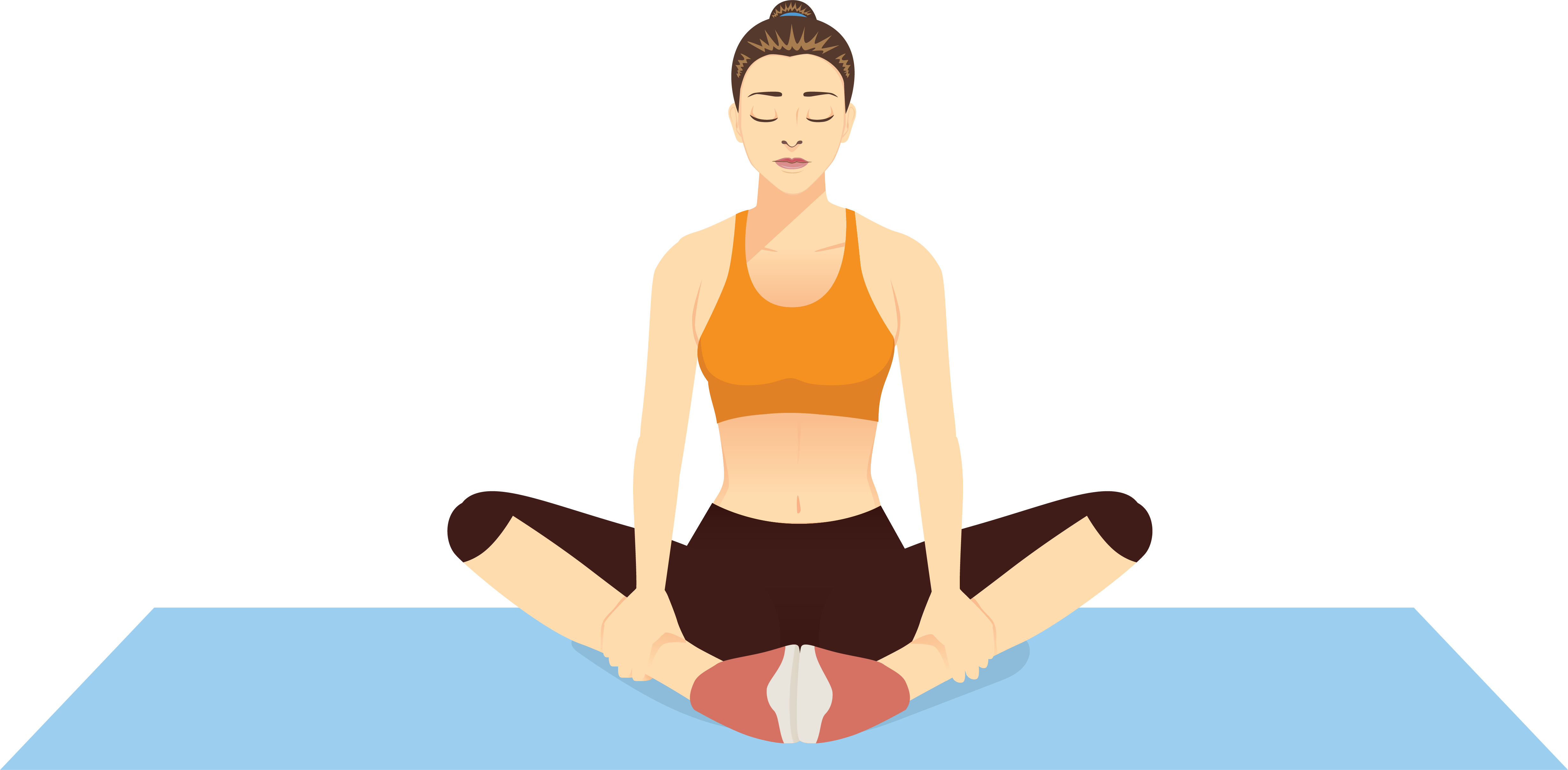
It’s wintertime again, and rather than going into hibernation mode, maybe this year you can find some indoor exercises to keep you healthy and fit!
If you have been looking for some exercise suggestions that can help you make it through the winter months, look no further. At Key Physiotherapy, our physiotherapists are movement experts and can guide you through the best types of exercises, depending on your goals.
According to the research, people take fewer steps per day, and less than half of all adults exercise in the winter. The main reason people use for not exercising outdoors is inclement weather, with rain being the biggest obstacle to getting outside and moving.
Although you can do some exercises all year, no matter the weather, if you are looking for some suggestions to try, consider the following:
- Yoga
- Pickleball
- Swimming or water aerobics
- Bootcamp or circuit training program
Try classes at your local fitness center, like Zumba or spinning classes, for more group-style indoor exercises. Try a CrossFit gym or a HITT (High Intensity Interval Training) program with Olympic-style lifting exercises if you want a more intense workout. Or, if you are looking for light (or even intense) competition, sign up for a sports league to play basketball, soccer, or volleyball.
If you are looking for a more traditional workout, there are treadmills and elliptical trainers in most fitness centers to get in and get your workout done quickly. Another great idea is to find a physiotherapists to finally resolve your old aches and pains and set you up with a program tailored to your personal goals that considers your injuries and unique physical attributes.

February is Heart Health Month!
When’s the last time you thought about your heart health? February is heart health month, so there’s no better time to give one of your most essential organs the attention it deserves.
The therapists at Key Physiotherapyhave put together a list of manageable lifestyle changes you can make as soon as today to ensure good heart health for years to come.
1. Exercise regularly
Regular physical activity can help you gain muscle strength and endurance. Exercise helps your cardiovascular system work more efficiently by delivering oxygen and nutrients to your tissues.
If you are not currently exercising regularly, start by taking a ten-minute walk around your neighborhood each day. From there, increase the amount of time you walk each day and quicken your pace. You will eventually be able to work up to a more strenuous activity, like running or biking.
2. Eat lots of fruits and vegetables
According to a study published in the International Journal of Epidemiology, eating ten servings of fruits and vegetables a day can lower your risk of cardiovascular disease by 28% and premature death by 31%.
Ten servings may sound like a lot, but remember that there are many ways to up your fruit and veggie intake. You could add fruit to your water, add vegetables to your fruit smoothie, and snack on carrots and hummus during the day instead of chips.
3. Manage your stress
Did you know that there are over 1,400 biochemical responses to stress? Some of these include a rise in blood pressure and a faster heart rate. For these reasons, stress can have long-term adverse effects on your health.
Try to take the time out of your day to practice mindfulness and check in with your body. Deep breathing activities and meditation can do wonders for anxiety. Practicing yoga may also help you decrease your stress levels.


Enjoy This Seasonal Recipe!
VALENTINE’S WHITE CHOCOLATE RASPBERRY SMOOTHIE



- 1 tbsp white chocolate chips
- 1/2 cup nonfat vanilla Greek yogurt
- 3/4 cup frozen raspberries
- 1 cup almond milk/milk of choice
- 1/2 cup ice
- Fresh raspberries for garnish (optional)
Celebrate love with this delightful Valentine’s Day recipe! Whether you’re sharing it with someone special or treating yourself, this dish is bursting with flavor and charm. From its vibrant presentation to its irresistible taste, it’s the perfect way to savor the sweetness of the season. 💕
Instructions:
In a small microwave safe bowl, heat white chocolate chips about 30 seconds and stir until smooth and melted through. Set aside to cool slightly. Add all ingredients, including melted chocolate, to a blender (or bullet, food processor, etc). Blend until smooth. Pour into glasses and top with fresh berries. Enjoy!
Exercise of the Month
Posture Squats Facing Wall
Start by standing facing a wall with your feet just outside hip-width apart and your toes pointed slightly out. Slowly bend at your hips and knees to lower your butt toward the ground without hitting the wall. Make sure to keep your heels down. Drive through your heels to stand back up straight. Step closer to the wall if possible or farther if needed. 3 sets, 10 reps.


Take the Next Step with Key Physiotherapy
Reach out to Key Physiotherapy to schedule an appointment and take the first crucial step in regaining your freedom from pain!