


Take a Proactive Approach to Arthritis Pain with Physiotherapy
Take a Proactive Approach to Arthritis Pain with Physical Therapy
Have you recently learned that your persistent joint pain is the result of arthritis? For many, this can be a challenging discovery, as the most common forms of arthritis have no known cures. But rest assured that you do not have to spend your life living with debilitating joint pain — physical therapy can help!
Arthritis refers to several conditions that cause joint inflammation, leading to its two primary symptoms: pain and mobility restriction. The most common form of arthritis, osteoarthritis, can cause pain during movement. It’s no surprise, then, that many people with arthritis wind up avoiding physical activity.
In reality, regular physical activity is one of the best ways to manage arthritis pain. Physical activity can also help delay the progression of arthritis — and help you avoid surgery.
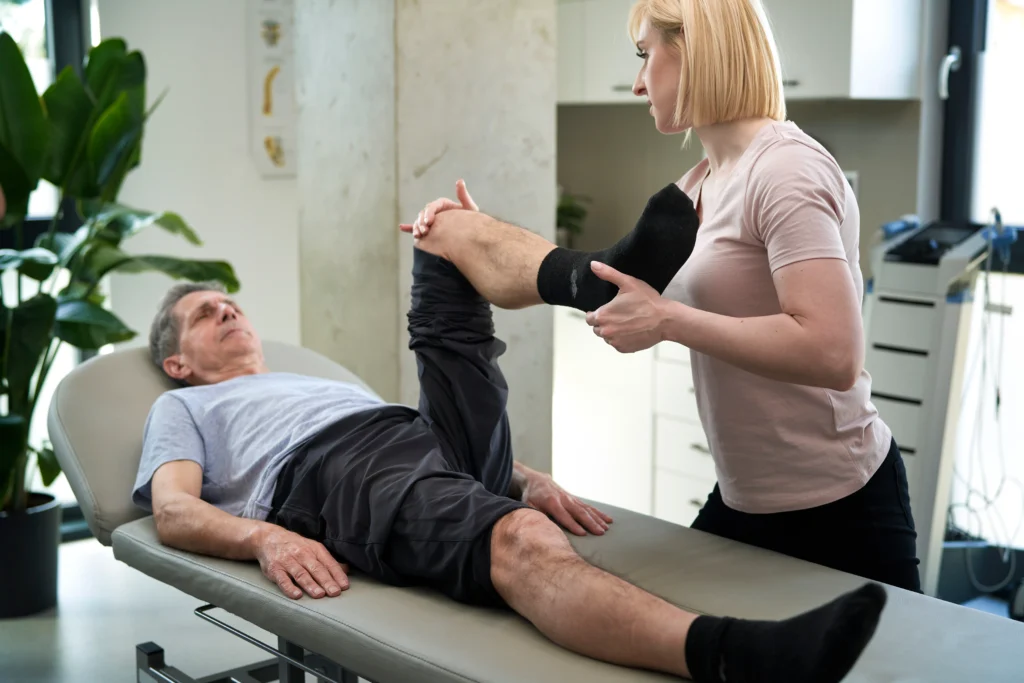
As movement experts, the team at Key Physiotherapy and Rehabilitation Centre is well-equipped to help you manage your arthritis pain. The physical therapy approach to arthritis management focuses on drug-free pain relief and regular movement. Best of all, it allows you to take a proactive role in your treatment.
Let’s look at what happens when you exercise regularly with arthritis — and what happens when you don’t. And if you’d like to learn more, call us to schedule an appointment today!


Got Arthritis? What To Expect if You Skip Regular Exercise
- Your muscles will weaken: One of the big benefits of exercise is that it builds muscle mass. If you don’t exercise regularly, your muscle mass will decrease — especially if you’re older, as muscle mass naturally decreases as we age.
What does this mean if you have arthritis? Without strong muscles, your impacted joints don’t get the strength and stability they need to function, which puts even more stress on them — and means more pain in the long run. - Your joints will get stiffer: Our bodies are made to move, and when we don’t move them frequently enough, our joints don’t get the lubrication they need to run properly. This is as true for people with arthritis as it is for anyone else. Plus, since arthritis causes joint stiffness, not moving will only worsen your symptoms.
- You increase your risk of injury: When you don’t exercise, you start to lose everyday abilities like balance, stability, and coordination. You can also develop muscular imbalances, improper biomechanics, or postural issues, all of which increase your odds of suffering an injury.
Exercise of the Month
Double Knees To Chest
(Lower Back, Hips)
Start on your back with your knees bent. Slowly bring both knees to your chest. Grasp your knees. Hold for 30 seconds and repeat. 1 Set, 3 Reps
What Happens When You Do Exercise with Arthritis
- You’ll experience less pain: While it’s true that activity can initially worsen arthritis pain, regular exercise will decrease your pain symptoms over time.
- You’ll experience fewer mobility restrictions: Just as regular exercise can decrease pain, it will also help improve your range of motion — meaning you can move more easily.
- The progression of your arthritis may slow: Both osteoarthritis and rheumatoid arthritis — the two most common forms of arthritis — will gradually worsen over time and may eventually require you to undergo surgery. Exercising won’t cure arthritis, but it will slow the damage to your joints.
- You may feel more empowered: Living with a chronic condition is hard. Regular exercise can help you feel like you’re taking an active role in managing your condition and reducing your pain.
- You’ll experience other physical and mental benefits: Exercise offers many benefits beyond pain management. It can improve mood and quality of sleep, protect you from heart disease and diabetes, and help you stay active and independent well into old age.
Ready to Start Exercising? Key Physiotherapy and Rehabilitation Centre Can Help!
While the benefits of regular exercise for arthritis are undeniable, getting started can be challenging. Which movements are safe for you to perform? Which will provide you with the most benefits? What should you do if even simple movement is too painful?
This is where our physical therapists shine! We’ll create a customized arthritis treatment plan that speaks to your needs and abilities. Here’s a taste of all that we can offer:
- Acute pain management using manual techniques and pain relieving modalities
- Personalized exercise programs with targeted, progressive exercises that build strength and improve mobility
- Specialized exercise programs to address balance and other functional challenges
- Guidance on general exercise programs to keep you moving outside our clinic
Don’t let arthritis keep you from living an active, healthy lifestyle. Call us today to find out more about our arthritis treatment programs!
Sources: https://www.choosept.com/guide/physical-therapy-guide-rheumatoid-arthritis, https://www.choosept.com/guide/physical-therapy-guide-osteoarthritis


Hosting Thanksgiving Dinner? Manage Stress with These Tips
We love Thanksgiving at Key Physiotherapy and Rehabilitation Centre. It’s a time to gather with friends and family, enjoy a great meal, and give thanks for all of the year’s blessings. But we also know the big day can be stressful—especially if you’re hosting.
Here are a few simple tips to stay happy and healthy this Thanksgiving:
- Try some deep breathing exercises. In the thick of cooking five different side dishes and feeling overwhelmed? Try box breathing, a simple technique in which you slowly breathe in and out for 3-4 counts.
- Fix a balanced plate. Rather than stressing about overindulging, just make sure to add some green veggies to your plate alongside the cornbread stuffing and fried turkey.
- Don’t forget your post-meal walk. If you prepped dinner, let someone else take care of the dishes while you take a relaxing stroll around the neighborhood. Relax–you earned it!
Rheumatoid Arthritis: A Quick Dive
Most discussions of arthritis focus on osteoarthritis, and for good reason: it’s the most common form of arthritis in the United States. However, about 2-3% of the population develops rheumatoid arthritis (RA). It causes similar symptoms as osteoarthritis, including joint pain and limited mobility.
The good news is that physical therapy can help manage rheumatoid arthritis just as it can osteoarthritis. If you’ve recently received an RA diagnosis, schedule an appointment at Key Physiotherapy and Rehabilitation Centre to learn what we can do for you.
What You Should Know About Rheumatoid Arthritis
What It Is
RA is an autoimmune condition occurring when your body’s immune system attacks otherwise healthy cells–in this case, the soft tissue in your joints. Researchers currently aren’t clear on what causes this to happen, however.
Signs and Symptoms
RA’s symptoms tend to go through cycles of flares and remissions. This means you’ll have periods where symptoms are more intense and periods where they are less troublesome. These symptoms include:
- Pain and swelling in joints on both sides of your body
- A gradual onset of joint pain, starting with the small joints in your fingers
- Stiffness and restricted range of motion in the affected joints, particularly first thing in the morning
- Redness, warmth, and tenderness in the affected joints
- Fatigue, low-grade fever, and a general sense of feeling unwell
What Else Should I Know?
RA is more common among women than men.
As with other forms of arthritis, regular physical activity can help manage RA symptoms. In fact, physical therapy at Key Physiotherapy and Rehabilitation Centre offers a great, drug-free approach to managing RA.
Want to learn more? Call to schedule your appointment today!
Sources: https://www.ncbi.nlm.nih.gov/books/NBK441999/, https://www.choosept.com/guide/physical-therapy-guide-rheumatoid-arthritis

Simple Sweet Potato & Black Bean Chili
- 2 sweet potatoes, peeled & chopped
- 1 onion, chopped
- 2 cans black beans, drained & rinsed
- 1 can diced tomatoes
- 2 cups broth (vegetable or chicken)
- 1 tbsp chili powder
- 1 tsp cumin
- Salt & pepper
- In a big pot, cook onion in a little oil until soft.
- Add sweet potatoes, chili powder, cumin, salt & pepper. Stir.
- Add beans, tomatoes, and broth. Stir.
- Simmer until sweet potatoes are tender (about 20 min).
- Taste and season more if needed. Serve!