


How Physiotherapy Tackles Hip Pain

How Physiotherapy Tackles Hip Pain
June Newsletter
You want to take care of some chores or go for a walk — but hip pain is keeping you on the couch. If this sounds familiar, know that you don’t have to suffer! At Key Physiotherapy, our physiotherapists will guide you through a simple process to address your hip pain so you can get active again.
This newsletter will take you through that process, from understanding your symptoms to the outcomes you can expect from physiotherapy. Still have questions? Call us to schedule an appointment!
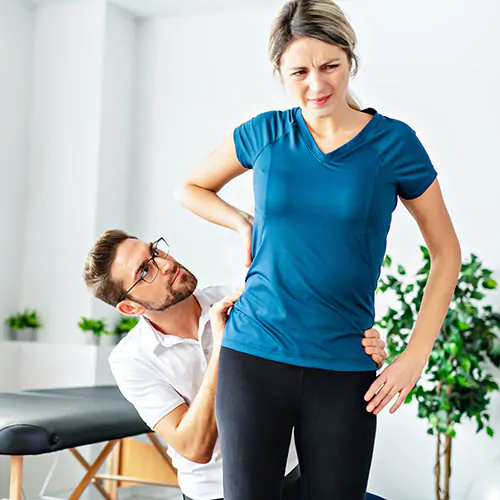
Pinpoint Your Symptoms
There are several potential reasons why someone might develop hip pain. To treat your pain effectively, we need to pinpoint what that cause could be.
When you visit us for your initial appointment, one of the first things we’ll do is ask you to share your symptoms. “Hip pain” often causes a lot more than just pain, and being able to describe your pain, mobility limitations, and other concerns helps us get a clearer picture of your condition.
For example, you know that your hip hurts. But when do you experience pain (i.e., during activity)? Does your pain come and go? Where do you experience pain? Is it just in your hip, or do you feel it elsewhere? Is the pain a dull ache? Sharp and shooting?
Make sure to share additional symptoms you might be experiencing, too. Here are some common ones:
- Stiffness/limited range of motion in your hip
- Weakness throughout the lower extremities
- Mobility issues, including walking, going up or down stairs, or struggling to stand up
- Difficulty performing everyday tasks, such as putting on your shoes — and let us know which ones
Identify a Cause and Develop a Treatment Plan
Thanks to your detailed symptom description — as well as a health history and comprehensive physical exam — your therapist should be able to determine the underlying cause of your hip pain.
If you’re 55 or older, there’s a good chance your hip pain stems from osteoarthritis. This degenerative condition causes cartilage and bone tissue to break down, leading to pain and restricted mobility.
However, hip pain can also stem from an injury. If you’re an athlete or particularly active person, you may have suffered an acute injury, such as a labral tear, in which a ring of cartilage in the hip socket becomes damaged. You may have also sprained your hip — that is, damaged the ligaments that hold the joint together.
However, even if you haven’t had an obvious injury, an injury could still be to blame. Overuse injuries are injuries that develop gradually and, in the hip, generally affect the soft tissue — your muscles, tendons, and ligaments. They usually occur due to repetitive movements or improper biomechanics.
Your treatment plan will vary based on the underlying cause of your pain, but in most cases, we aim to…
- Help manage acute pain with manual therapy, modalities, or gentle stretches.
- Improve mobility and range of motion through targeted stretches and exercises.
- Build strength in the muscles surrounding the hip to support the joint.
- Restore your ability to perform everyday movements, such as going upstairs — and for the athletes, we’ll help restore your ability to perform sport-specific movements.
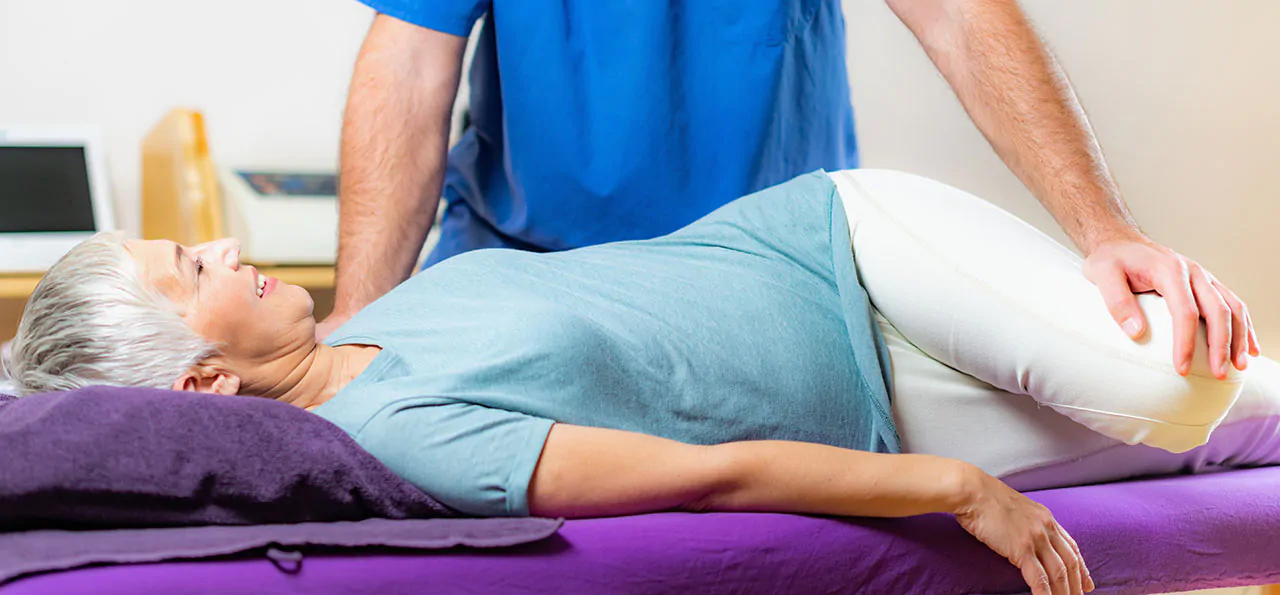
Understand Your Outcomes
As with treatments, your exact outcomes will vary based on the underlying cause. However, other factors can come into play, too, such as age, health status, and the amount of time you can spend with physiotherapy (whether in the clinic or performing home exercise programs).
For example, osteoarthritis has no cure, but you can manage your symptoms with regular physical activity. If you stick with your prescribed exercise program, you can minimize pain, slow the progression of your condition, and delay or even avoid surgery.
If you suffered an injury, you likely will be able to resolve your hip pain, usually within 1-3 months. However, if your injury was severe, full rehabilitation — the point at which you’ve fully restored strength and function — may take longer. Continuing any prescribed exercises is important even if you no longer feel pain.

Start Your Own Journey to Hip Pain Relief Today
No matter the reason for your hip pain, the physiotherapists at Key Physiotherapy will guide you toward lasting relief. Call us today to schedule an appointment to get started!
Patient
Success Stories
“You are greeted by the best employee of the month, and the admin staff are so kind and understanding. I looked forward to not just going for treatment but I looked forward to the whole environment and the friendly conversation!! Mark is my therapist and he is friendly, kind and knew what he was talking about. The best experience I have ever had with a physio clinic hands down. I would suggest this place to all of my friends and coworkers!!”
— Jennifer H. — Google 5-Star Review
“My experience was great. I had very severe pain in my knee and it was very painful for me to bend my knee after standing or walking for a few hours. On my first visit they recommended some exercises. After doing the exercises my knee got better within a week. Staff lady and Mark both are very helpful.”
— Gursharan K. — Google 5-Star Review
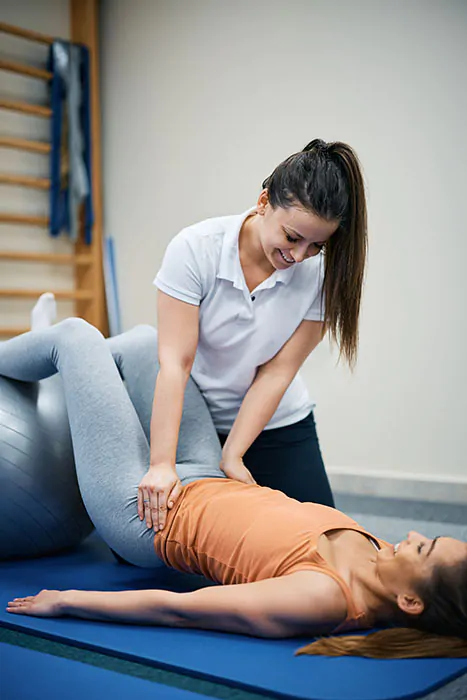
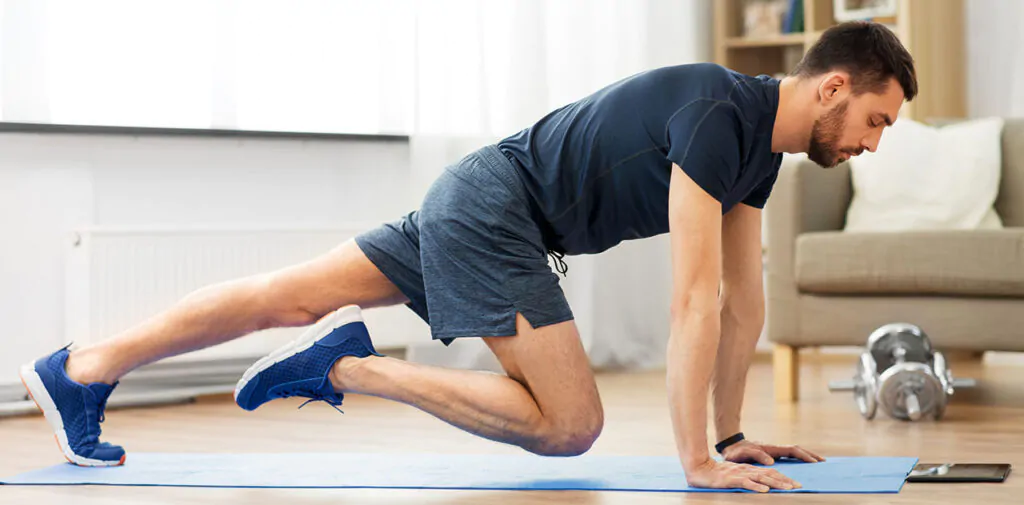
What’s A HEP — And Why Is It So Important to Your Success?
HEP stands for “home exercise program.” If you’re undergoing physiotherapy with Key Physiotherapy, there’s a good chance your therapist will prescribe one to you.
It’s important to note that a HEP isn’t the same as an at-home workout program. With an at-home workout, your goal is general fitness. A HEP consists of curated exercises to help you achieve your rehabilitation goals.
We understand that an exercise routine can sometimes be difficult to work into a busy lifestyle. Therefore, we design our HEPs to be as straightforward as possible, with…
- Exercises you’ve done before
- A small time commitment
- Strategies for managing pain, if needed
However, we also want to make sure you understand why we prescribe a HEP at all! In fact, a HEP has multiple benefits:
- It improves outcomes: Patients who complete their prescribed HEP experience faster and more effective rehabilitation.
- It improves muscle memory: This means movements will become easier, and you’ll be able to more easily incorporate additional exercises during your in-clinic sessions.
- It helps develop a good habit: Even after you recover, regular physical activity is essential for good health. By completing your HEP, you get into the habit of moving daily.
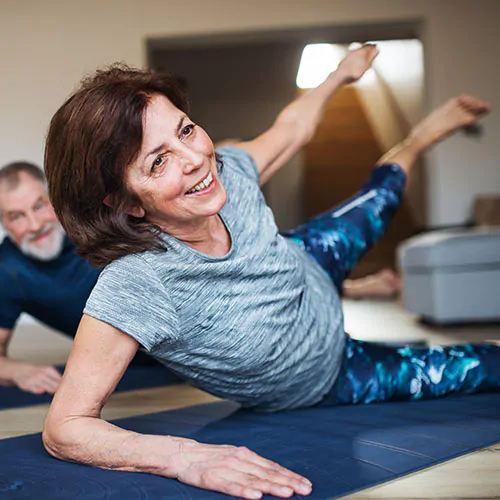
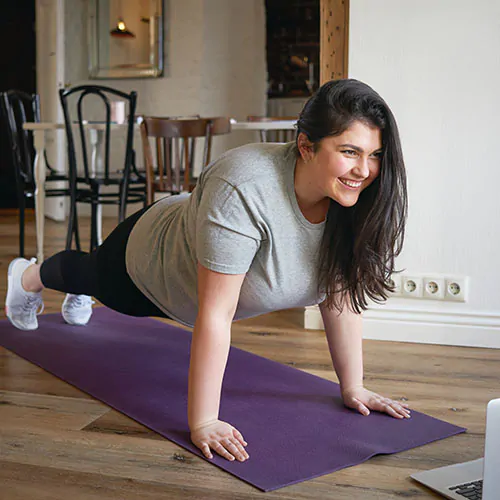
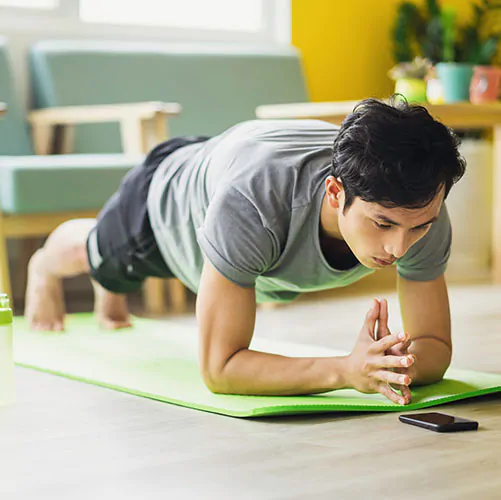
In short, a HEP is a small way to make big changes! And if you think you might benefit from a personalized HEP, call us to schedule a consultation.

Celebrating Father’s Day with Dad Jokes
- I’m reading a book about anti-gravity. It’s impossible to put down!
- Did you know the first French fries weren’t actually cooked in France? They were cooked in Greece.
- Want to hear a joke about a piece of paper? Never mind… it’s tearable.
- I just watched a documentary about beavers. It was the best dam show I ever saw!
- Spring is here! I got so excited I wet my plants!
- I gave up my seat on the bus to a blind lady. And that is how I lost my job as a bus driver.
- Why did the lion spit out the clown? Because he tasted funny!!
- What’s a spider’s favorite profession? Web designer.
- I finally finished my book on penguins. My publisher said it would have been better if I had written it on paper.
- Why did the art thief’s getaway vehicle run out of fuel? He had no Monet to buy Degas to make the Van Gogh.







.
Feel Better by Eating Better!
Mango Lassi Smoothie
Bursting with flavor and protein, this mango lassi-inspired smoothie is your go-to fuel for a busy day. Made with sweet frozen mango, rich Greek-style yogurt, and nourishing hemp seeds, it’s a creamy, energizing blend that keeps you satisfied. Enjoy it as a quick breakfast, a post-workout pick-me-up, or a refreshing anytime snack.
Ingredients
- 1 pitted dried date
- 1 cup whole milk
- ¼ cup whole-milk plain strained (Greek-style) yogurt
- 1 cup frozen mango chunks
- ¼ teaspoon ground cardamom
- 1½ tablespoons hulled hemp seeds, divided
Place 1 date, 1 cup milk, ¼ cup yogurt, 1 cup frozen mango, ¼ teaspoon cardamom, and 1 tablespoon hemp seeds in a blender. Process until smooth, about 1 minute, stopping to scrape down sides as needed.
Pour the smoothie into a glass; top with the remaining ½ tablespoon hemp seeds.
Exercise of the Month
CLAMSHELLS (EXERCISE BAND)
Lie on your side with knees bent and a resistance band around your thighs. Keeping feet together, lift your top knee without rotating your hips. Lower slowly and repeat to target the outer hips and glutes. 3 sets, 10 reps.
Take the Next Step with Key Physiotherapy
Reach out to Key Physiotherapy to schedule an appointment and take the first crucial step in regaining your freedom from pain!