


Need a Little Help Getting Active? Try Physiotherapy

Need a Little Help Getting Active?
Try Physiotherapy
January Newsletter
You know that regular exercise is crucial to living a healthy lifestyle. The CSPE recommends adults aim for 150 minutes of moderate activity a week – about 22 minutes a day, so you don’t have to toil away in the gym for hours. But hitting those numbers can still be a challenge, especially if you struggle with persistent pain or limited mobility.
That’s where physiotherapy at Key Physiotherapy comes in. We’re movement experts who understand all the impairments in your musculoskeletal system that can keep you from living the active, healthy lifestyle you crave. From pain management to maximizing your athletic performance, we’ll help you meet your exercise goals.
Here are just a few of the ways we can help you get healthier. Ready to get started? Contact our clinic today!
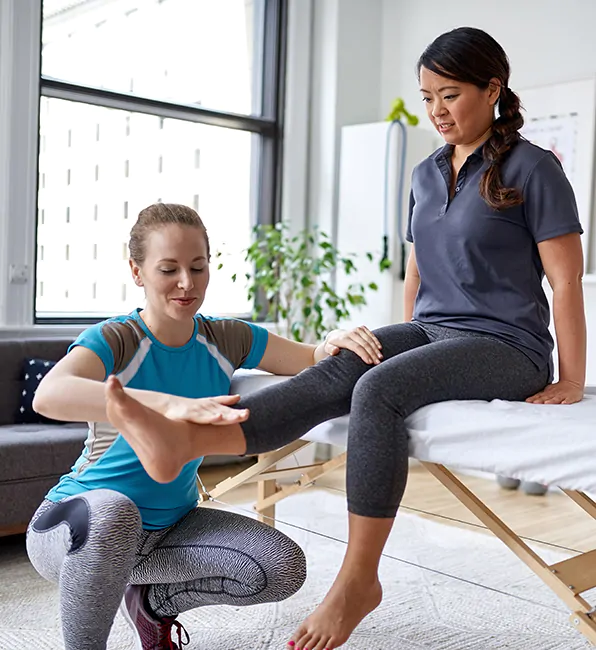
We Can Reduce Pain and Restore Mobility
Many orthopedic conditions and injuries can make regular exercise feel difficult (if not impossible). Osteoarthritis, herniated discs, tennis elbow – all can make you feel like it’s easier just to sit this one out. In reality, though, all these conditions (and others) benefit from regular exercise.
Dealing with persistent pain or limited mobility? Our physiotherapists offer several options for pain relief, including several manual therapy techniques, such as soft tissue manipulation, joint mobilization, or myofascial release. We use these techniques as the first step in preparing your body for regular movement.
We’ll also show you targeted, tailored exercises to reduce pain in the affected area. Joint pain often stems from muscular imbalances or postural impairments that stress the impacted joint, leading to discomfort and setting you up for more serious injuries. Strength training will help reduce your pain and get you moving again.
We Can Let You Know If You’re At Risk for an Injury
Did you know you don’t have to wait until you’re in pain to visit the team at Key Physiotherapy? We’re in the business of preventing injuries, not just treating them – and we can help you enter into a new workout plan without fear!
Our comprehensive physical evaluations test the following:
- Muscle strength and endurance
- Overall mobility
- Balance and fall risk
- Posture
- Biomechanics, which looks at how your body’s systems work together to get you moving
- Walking patterns
- Functional movements that you might perform for work, hobbies, or recreation
During the screens, we’ll look for potential impairments that might cause injuries down the line and suggest corrections to address them – before they become a problem.
For example, let’s say that you want to take up running after some time away. During your assessment, we notice that you tend to bend forward at the waist when jogging. This habit means that every time your foot hits the ground, you cause more impact in your feet than necessary, which could, eventually, lead to an injury.
By catching the form mistake now – and working with our physiotherapists to correct it – you lower your chances of suffering a knee injury (which could prevent you from exercising altogether).
We Can Help You Exercise with Confidence
Starting a new exercise program for the first time – or restarting one after some time away – can be deeply intimidating. You don’t know which exercises you should do. You have no idea if you’re performing movements correctly. You’re not even sure what types of exercise you would enjoy.
Our physiotherapists can help with all these concerns and more. We can suggest an exercise program that suits your abilities, interests, and goals and work with you one-on-one to guide you through any unfamiliar movements or equipment. We can also suggest movement or activity modifications if something’s too difficult and offer reassurance that even small changes can have a big impact.
Our team doesn’t just help beginners, either. As you progress, you may find yourself plateauing or struggling with certain aspects of your performance. Our therapists can get to the bottom of things and develop a performance improvement plan so you can see the results you’re looking for.
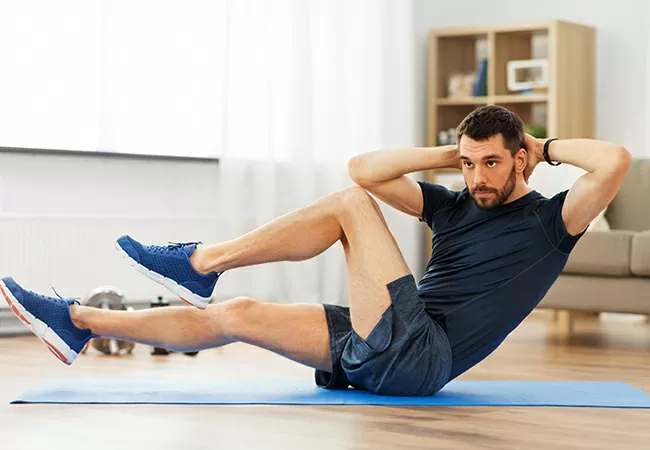
Start the Journey to An Active Lifestyle Today!
No matter your needs, the physiotherapists at Key Physiotherapy will help you get active in a way that works for you.
Contact us to schedule your initial consultation!
Patient
Success Story
“I recently visited Key Physiotherapy for a stubborn shoulder issue that would not go away. Mark McFarland conducted a thorough examination and diagnosed it as a rotator cuff injury. He explained the mechanics of the issue in an easy to understand way and he was confident he could treat it fairly quickly. I was surprised that I felt a very noticeable improvement after only 2 treatments. After 3 treatments I am 75% better and very close to being back to normal. It’s measurable in that I have way more range of motion and almost no discomfort compared to when I first went in. Having over 30 years of experience, Mark is extremely knowledgeable, experienced, and his main objective is to help you recover quickly. Thanks to Key Physiotherapy, I am looking forward to seeing this ongoing and annoying injury in the rearview mirror. I highly recommend Key Physiotherapy if you are looking to resolve your injuries effectively.10/10”
— P.F. — Google 5-Star Review


Intimidated by the Gym? Try These Tips
While some people struggle to exercise regularly due to pain or busy schedules, many more find themselves holding back for one simple reason: going to the gym is intimidating.
At Key Physiotherapy, we strive to create a welcoming, inclusive environment for all our patients. But we also understand that going to a physiotherapy clinic is quite different from going to a gym, where you often have little to no guidance about etiquette, exercise equipment, and more.
Fortunately, our physiotherapists can offer a few simple tips for overcoming gym intimidation:
- Take a few deep breaths. Deep breathing exercises can help calm your nerves before entering the building. Find a quiet space (your car, an empty corner in the locker room) and take five deep, steady breaths before you start your workout.
- Don’t leave your cell phone in your locker. We often see our cell phones as needless distractions–but in the gym, that distraction can help soothe anxiety. One study found that cell phone usage during a workout filters out environmental stressors (like that super-buff guy lifting weights beside you). So consider this permission to load up your favorite podcast and plug in your earbuds!
- Know before you go. When you walk into a gym, you’re met with a maze of cardio and weight machines, free weights, and lots of mirrors. Figuring out a workout program before you step through the doors will help take some of the pressure off. Our physiotherapists can help, offering guidance on specific exercises, workout plans, and equipment and gym etiquette instruction.
Gym intimidation is a genuine phenomenon – and the team at Key Physiotherapy is here to help combat it! Contact us today to learn more.

Shoveling Snow?
How to Do it Safely
While some people have turned to snowblowers to clear their sidewalks and driveways, we’re still fans of the old-fashioned way – if for no other reason than it’s an excellent means of getting your heart pumping.
You just need to follow a few simple tips to help prevent an injury:
Dress Appropriately

The cold weather puts you at a higher risk of suffering muscle strain, so bundle up and stay warm.
Warm Up First
Shoveling snow is a great workout, which means you need to warm up your body before you get started. Work through simple mobility exercises targeting your arms, shoulders, back, and legs.
Use Proper Form
It’s easy to fall into awkward postures when shoveling snow, so make sure you’re using good form (like lifting with the spine in a good position and avoiding rounding the back or twisting repeatedly to one side). Need some pointers? Our Physiotherapists are happy to help!
Looking for more guidance about shoveling snow – or performing other outdoor winter chores? Contact Key Physiotherapy to schedule an appointment!
Feel Better by Eating Better!
Crockpot Spicy Chicken Tortilla Soup

- 1 yellow onion, diced
- 2 jalapeños, seeded and chopped
- 2 cloves garlic, chopped
- 1 pound boneless, skinless chicken breast or thighs
- 2 teaspoons cumin
- 2-3 teaspoons taco seasoning
- Kosher salt and black pepper
- 3 cups red enchilada sauce
- 3-4 cups low-sodium chicken broth
- 1-2 cups cooked white or brown rice
- Juice of 1 lime
- 1/2 cup fresh cilantro, chopped
- Tortilla chips, for serving
- Yogurt, shredded cheddar, avocado, mango salsa, and green onion, for serving
This simple Crockpot Spicy Chicken Tortilla Soup is the perfect bowl of wholesome, filling soup to warm up to on the coldest of days. Just throw everything into the crockpot in the morning, no searing chicken or anything, and come home to a delicious dinner at night.
Instructions:
In the bowl of your crockpot, layer the onion, jalapeños, and garlic. Add the chicken, cumin, taco seasoning, and a pinch each of salt and pepper. Pour over the enchilada sauce and 3 cups of broth.
Cover and cook on low for 6-7 hours or on high for 4-6 hours. Shred the chicken using two forks. Stir in the rice, cilantro, and lime juice.
Ladle the soup into bowls and top with tortilla chips. Then finish as desired with a dollop of yogurt, cheese, green onions, mango, and cilantro. Enjoy!
https://www.halfbakedharvest.com/crockpot-spicy-chicken-tortilla-soup
Exercise of the Month
Cervical Retraction and Extension With Towel
Start by standing up straight. Wrap a towel around the back of your head and hold the ends with both hands in front of you. Tuck your chin, pushing your head back into the towel and then raise your chin up towards the ceiling against the towel. Return to start. Repeat 3 sets, 10 reps each.


Take the Next Step with Key Physiotherapy
Reach out to Key Physiotherapy to schedule an appointment and take the first crucial step in regaining your freedom from pain!